Start here

Watts, PD, PPS and cables: how to read a USB-C charger before you buy one

A USB-C charger's box says 65 W and the phone charges at 18. The reasons are all on the spec sheet if you know which lines to read: the voltage profiles, the PPS range, what the ports share, and whether the cable can carry it. This guide explains each in plain terms, with four chargers and a power bank as worked examples from the makers' own figures.

Best of Charging: every pick, by situation →

Review · Charging

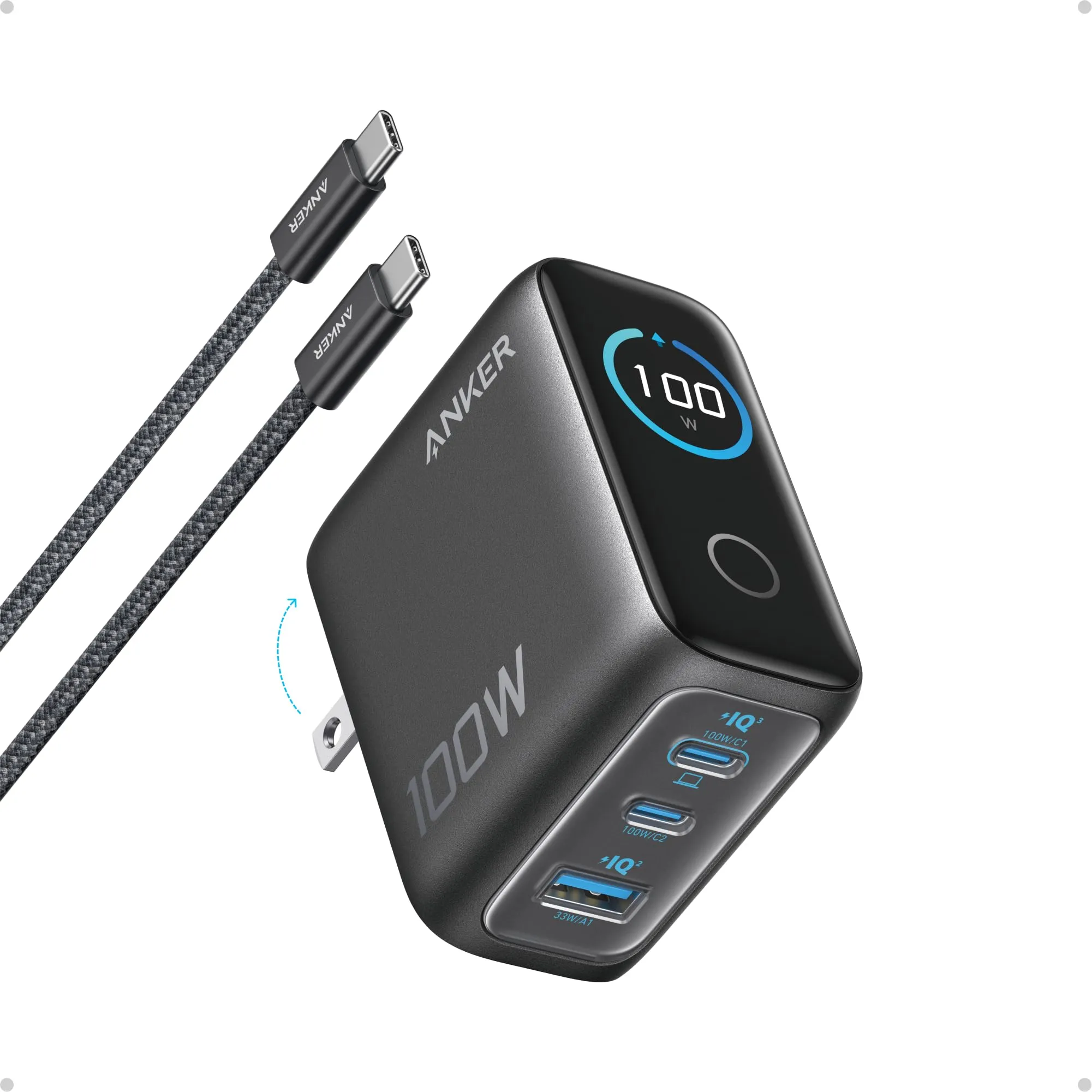
Anker 100W 3-Port charger (B121B) review: 100 watts to one port, a screen you stop reading, a cable you need

A 100-watt GaN charger with two USB-C ports and a USB-A, folding prongs, a 5 A cable in the box and a display that shows what each port is drawing. It replaces a 16-inch MacBook Pro's brick and a phone charger with one 7.5 oz cube. This review is about what the display is for, what the cable is for, and what the laptop gets when the phone is plugged in beside it.
Updated October 10, 2026

Shortlist · Charging

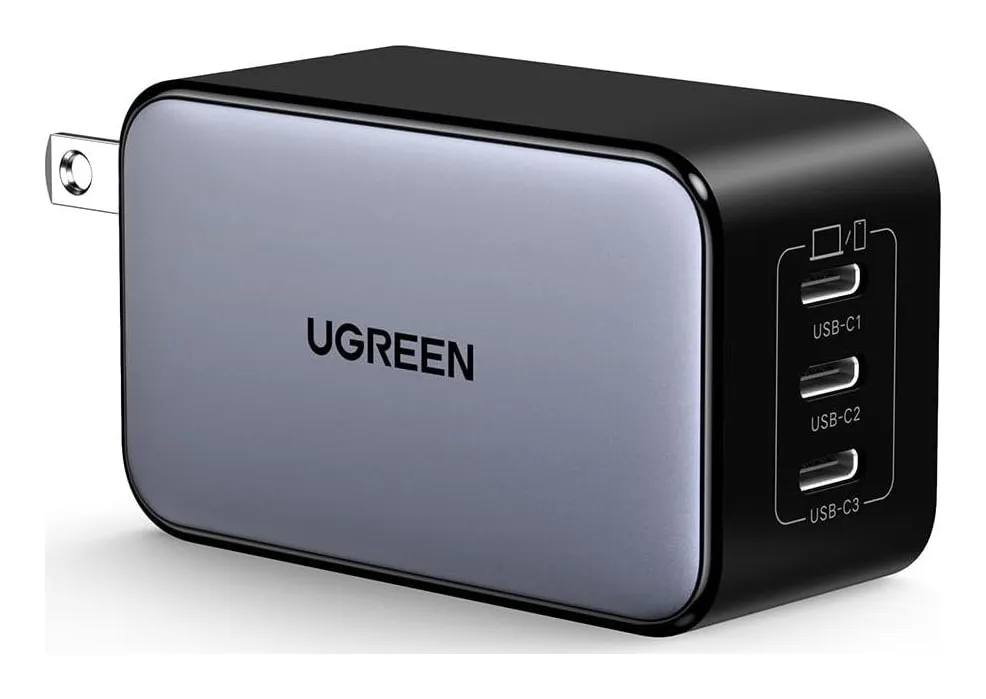
Best compact USB-C chargers: six from 30 to 140 watts, by what each port actually gets

The watt figure on a charger is what one port gets when nothing else is plugged in. Plug in a second device and some chargers drop to 15 W shared, some publish a split, and some leave you to find out. Six compact GaN chargers from UGREEN, Belkin and Anker, 30 to 140 W, compared on total output, the published split, ports, size and weight from the makers.

Updated October 10, 2026

Comparison · Charging

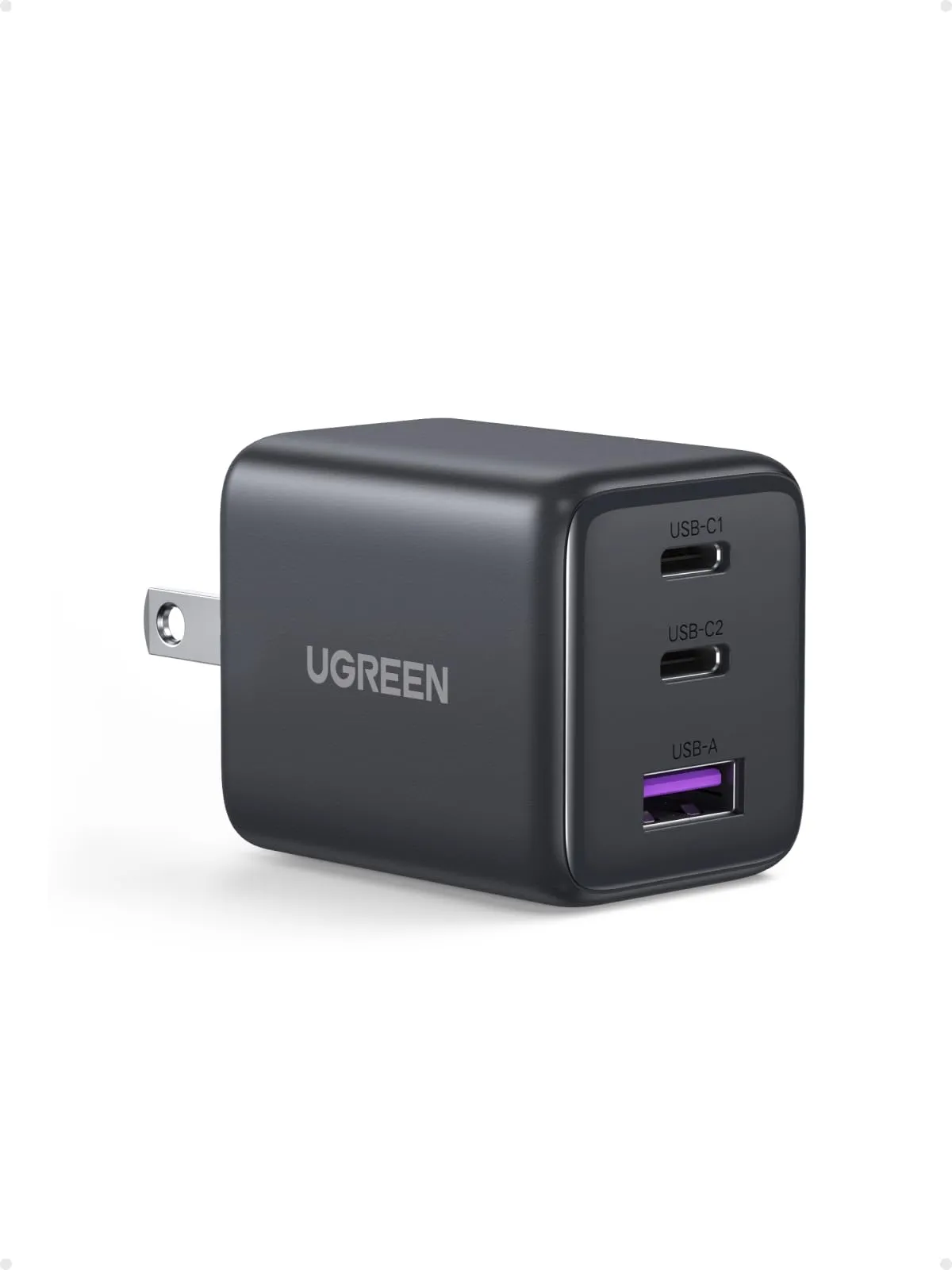
65 W or 100 W for a laptop and a phone? UGREEN Nexode 65W vs Anker 100W 3-Port

Both chargers have two USB-C ports and a USB-A, fold their prongs and fit a jacket pocket. One gives a single port 65 W and weighs 4.6 oz; the other gives 100 W, weighs 7.5 oz and has a screen. Which one to carry depends on one fact — the laptop's own wattage — and on what happens to the laptop when the phone is plugged in beside it, which only one of the two makers says.

Updated October 10, 2026

Shortlist · Charging

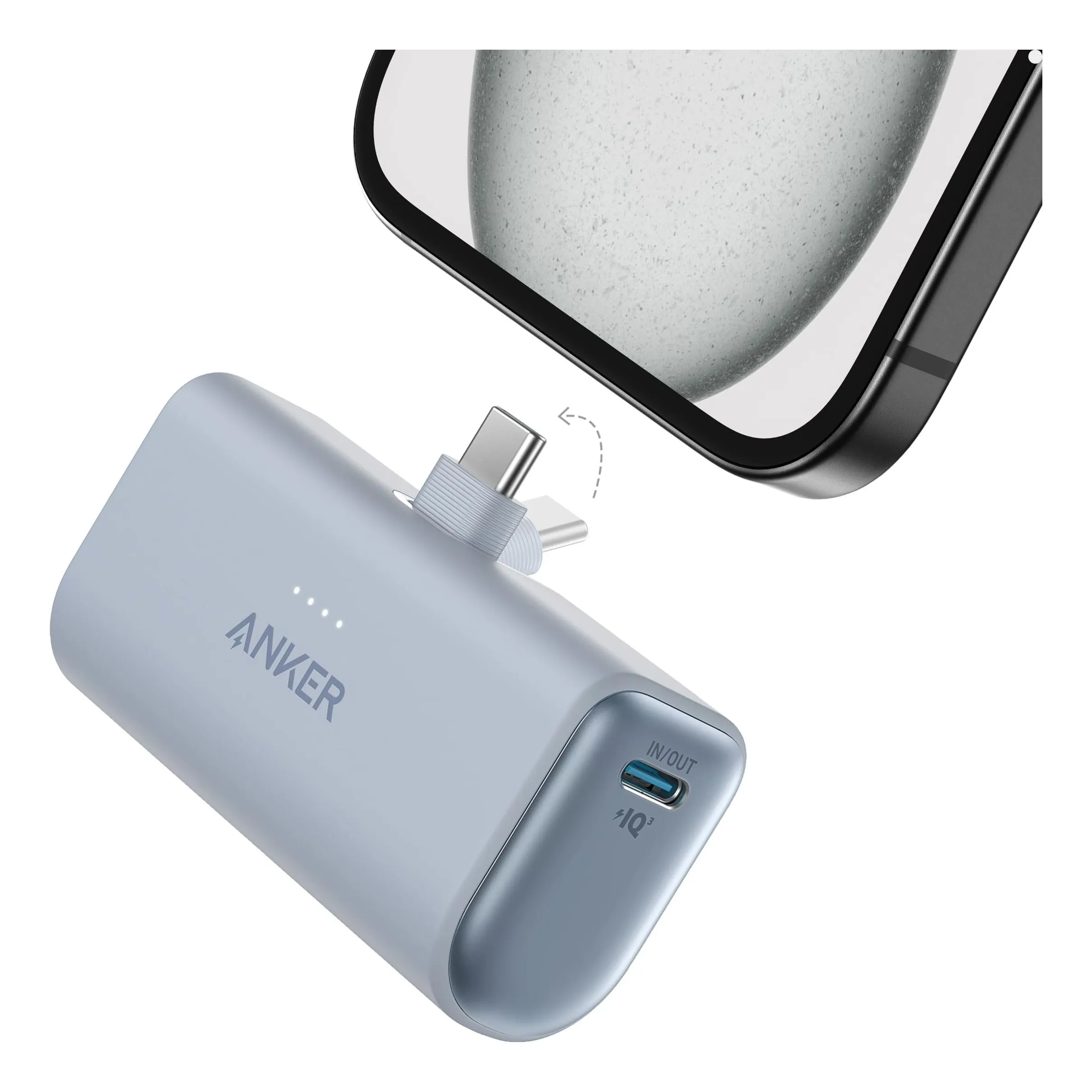
Best power banks you can take on a plane: five from 5,000 to 25,000 mAh, all under the FAA's 100 Wh line

A power bank is a lithium battery, and the FAA has rules: spares and power banks go in the cabin only, and anything over 100 watt-hours needs the airline's say-so. Five banks from a 3.5 oz plug-in to a 25,000 mAh laptop battery, every one under 100 Wh, compared on capacity, output, weight and ports from the makers — with the watt-hour figure stated or computed for each.

Updated October 10, 2026